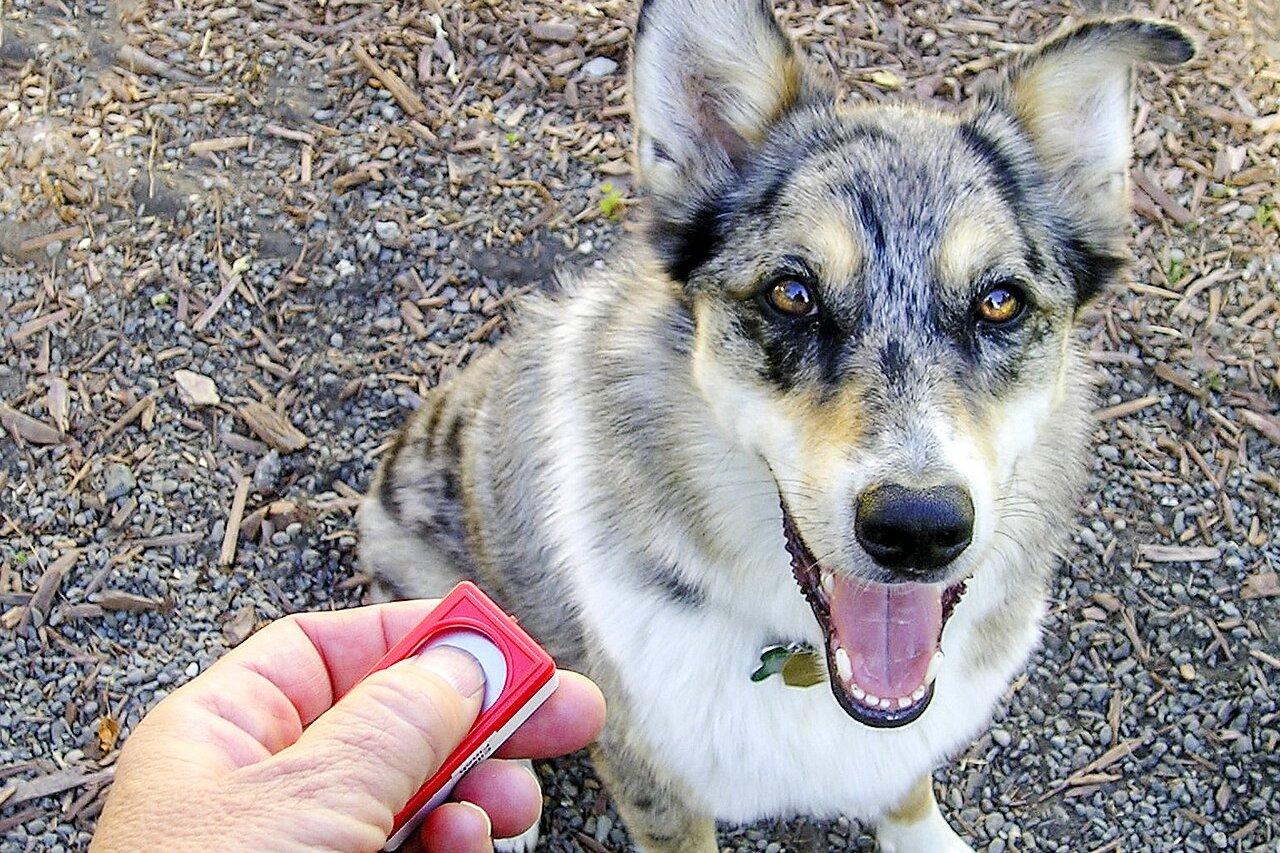
Prices vary with who you see, what they're qualified to do, where you live and how much support is included. The figures below are typical ranges from prices published by accredited trainers and behaviourists in October and November 2026. They vary and are not fixed rates, so always ask for a clear quote first.
In short: a first consultation with an accredited dog behaviourist typically costs £225–£550. Dog training costs less per session: 1:1 training is typically £60–£130 an hour, and a group class or puppy course £75–£250 for 4–6 weeks.
Typical prices at a glance
| Service | Typical range | Usually includes |
|---|---|---|
| Group class or puppy course | £75–£250 a course | 4–6 weekly group sessions |
| 1:1 training | £60–£130 an hour | Practical training at home, on walks or at the trainer's venue |
| Online or phone session | £60–£210 a session | A video or phone call of 30 minutes to an hour, often with written advice |
| First behaviour consultation | £225–£550 (up to about £750 for a long home visit) | 1.5–3 hours, history taking and a written plan; higher prices add a full report and vet liaison |
| Behaviour package | £325–£900 | First consultation plus follow-up sessions and several weeks of support |
| Follow-up behaviour session | £55–£250 a session | 1–2 hours, progress review and plan updates |
Travel fees are common for home visits outside a professional's usual area, and some charge more for evenings and weekends.
How much do puppy classes and group training cost?
Most courses run once a week for four to six weeks, in small groups. Outside London, the courses we found were £75–£225. Classes are usually the most affordable way to get help with everyday training, such as recall and loose-lead walking, and puppy courses help with socialisation. See when to start puppy classes.
How much does private (1:1) dog training cost?
A private session usually lasts about an hour, at your home, on a walk or at the trainer's venue. The hourly prices we found were £60–£130. Many trainers offer a longer first session, or a discount for booking a block of sessions.
How much does a dog behaviourist cost?
For problems such as fear, reactivity, aggression or distress when left alone, a behaviour consultation is longer and more detailed than a training session. Most first consultations cost £225–£550. A long home visit can cost up to about £750. Packages that include follow-up sessions and several weeks of support usually cost £325–£900. Some behaviourists also offer longer programmes of 6–12 months, and the longest we found cost over £1,000. Bought separately, follow-up sessions typically cost £55–£250 each.
Vet referral: Clinical Animal Behaviourists, Veterinary Behaviourists and Accredited Animal Behaviourists only see clients on veterinary referral (ABTC), and CCABs typically work on veterinary referral. A vet check also matters because medical conditions can affect the way a dog behaves1. If you're claiming on pet insurance, check whether your insurer needs a referral.
What a behaviour consultation includes
The first consultation is where most of the price goes, so it helps to know what you're paying for. The consultations we found usually included:
- A long first session. Usually 1.5–3 hours, at home, at the behaviourist's venue or online.
- A full history. Your dog's background, health, routine and exactly when the problem happens.
- A written plan. The steps to work on at home, sent after the session.
- Follow-up support. Often a few weeks of email or phone support. Packages add follow-up sessions.
- Vet liaison. At the higher end of the range, a full report for your vet.
Ask what's included before you book, so you can compare quotes like for like.
Residential training
Residential training (sometimes called “board and train”) means your dog lives with a trainer, at their home or kennels, for a set period while they train. The trainer then shows you what your dog has learned in a handover session. We could not find accredited professionals publishing residential training prices, so we do not give a range.
We do not recommend particular providers. If you're considering it, ask:
- What methods they use. Avoid anyone whose methods rely on fear, pain, choke chains, shouting or hitting2.
- Where your dog will sleep and spend the day, and how many other dogs are there.
- How they'll teach you to keep it up at home. Your dog has to learn to behave with you, not just them.
- Whether they hold accreditation you can check on a public register.
For fear, anxiety or aggression, speak to your vet first. These problems are usually worked on with you, in your dog's everyday surroundings.
How London compares
London prices are usually higher. The London puppy courses we found from accredited trainers cost £140–£250, compared with £75–£225 elsewhere. Expect travel charges if you live outside a trainer's usual boroughs.
Lower-cost help
Dogs Trust runs a free Behaviour Support Line for UK dog owners3. Its paid behaviour services, including 1-to-1 sessions and a specialist package with a Clinical Animal Behaviourist, offer discounts for low-income households and people on means-tested benefits3.
What affects the price
- Qualifications and role. Behaviourists who work on problem behaviour usually charge more than trainers, as the ranges above show.
- The problem. Aggression and severe anxiety need longer assessments and more follow-up than lead pulling.
- Support included. Some prices include weeks or months of email or phone support. Others charge separately.
- Travel and timing. Home visits cost more than online sessions or meeting at a training venue, and evenings or weekends can cost extra.
How to compare quotes
- Check each person's accreditation on a public register. Our accreditation guide shows how.
- Ask how long the first session is, and whether you get a written plan.
- Ask what follow-up support is included and for how long.
- Be wary of guaranteed results or very fast fixes. Behaviour change takes time.
How we worked out these prices
Based on published prices from 30 ABTC-registered or CCAB-certificated practitioners across the UK, plus Dogs Trust and the University of Glasgow Behaviour Clinic, checked 8–9 October and 23 November 2026. Prices vary; these are typical ranges, not quotes.